


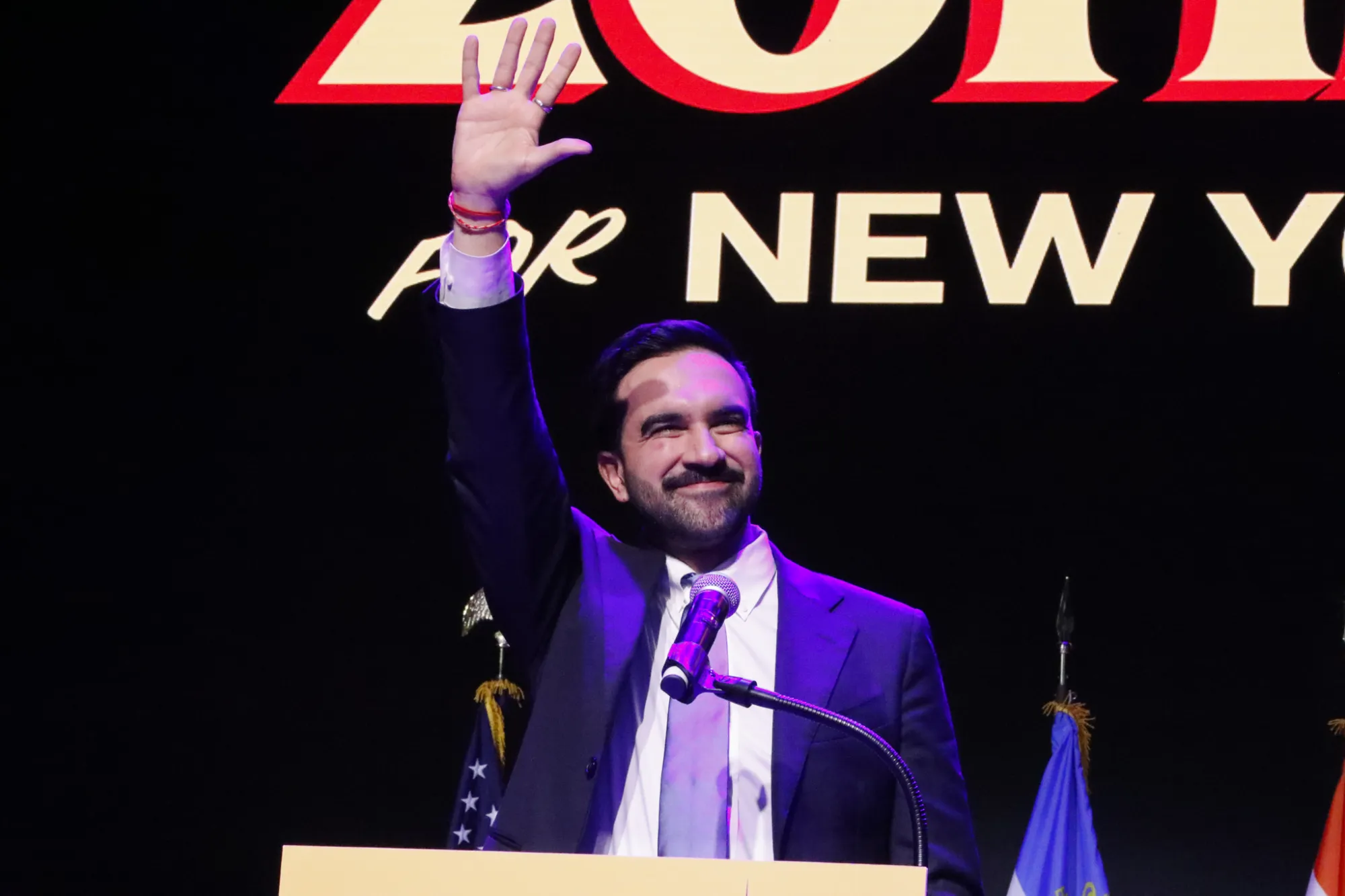
Zohran Mamdani has been elected mayor of New York City, making history as the city’s first Muslim mayor and the youngest in over a century. His victory marks a significant moment for representation and leadership diversity.
Mamdani, a former state assembly member, ran a campaign focused on housing affordability, public safety, and economic opportunity. Voters responded positively to his message of inclusivity and practical solutions.
Political analysts note that Mamdani’s election reflects a broader shift in the city’s political landscape, with younger voters and diverse communities playing a decisive role. High turnout among these groups helped shape the outcome.
The mayor-elect emphasized his commitment to engaging with all communities and addressing long-standing issues in the city. His platform includes investments in infrastructure, education, and initiatives aimed at reducing inequality.
Community leaders have welcomed Mamdani’s victory, highlighting the historic significance and the potential for fresh perspectives in city governance. They note that his leadership could foster greater civic engagement and participation.
Observers also point out that Mamdani’s election could inspire other young leaders and underrepresented groups to seek public office. His win demonstrates that diverse voices are increasingly shaping the city’s political future.
High voter engagement in the race underscores the public’s interest in local governance and the demand for leaders who are responsive and accountable. Analysts suggest this could influence policymaking and public priorities in the coming years.
Mamdani’s administration is expected to focus on collaboration with community organizations, city agencies, and private partners to implement policies effectively. Transparency and communication are central to his proposed approach.
The historic election result signals both continuity and change. While building on New York City’s existing strengths, Mamdani aims to bring new energy and innovative solutions to long-standing challenges.
Experts note that his tenure could shape local policy in areas such as climate resilience, public health, and economic development. Mamdani’s focus on inclusive governance is likely to guide decision-making across city departments.
Voters and political observers alike see Mamdani’s victory as a milestone for civic representation. It reflects growing recognition of diverse leadership and the importance of engaging younger generations in the political process.
The outcome of the election demonstrates the impact of high civic participation and active community involvement. It underscores the role of voters in shaping leadership that reflects the city’s evolving population.
Zohran Mamdani’s win marks a turning point for New York City politics. It highlights both the importance of representation and the influence of engaged voters in determining the city’s future direction.
This historic victory sets a precedent for diversity in leadership and signals a new era of political engagement, inclusion, and responsiveness in one of the world’s largest cities.
