


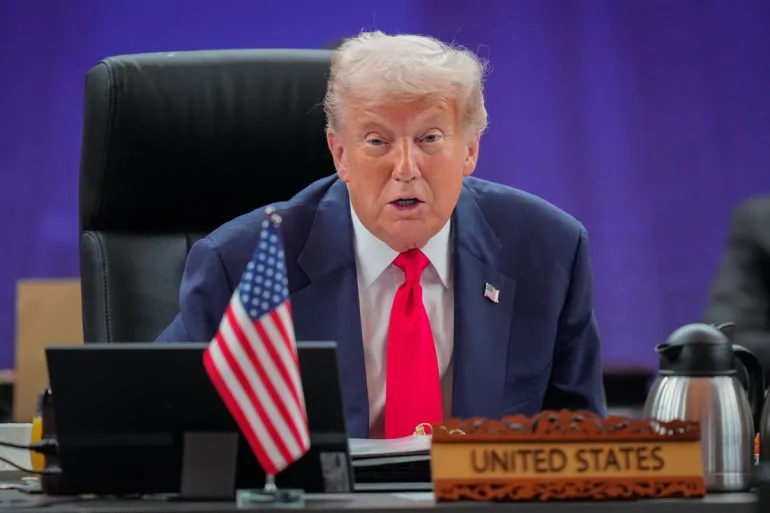
The United States and China have reached a framework for a new trade deal, signaling a potential easing of tensions between the world’s two largest economies. The agreement focuses on rare earth materials and includes discussions about pausing certain tariffs.
Officials from both countries described the talks as productive, highlighting cooperation on key economic issues. Treasury and trade representatives emphasized that the agreement aims to foster stability, secure supply chains, and encourage investment.
Rare earths, critical for technology and green energy production, were a central topic during the discussions. Both sides agreed on measures to ensure a reliable and fair supply while maintaining competitive markets. Experts say this cooperation could benefit industries that rely heavily on these materials, from electronics to renewable energy.
The potential pause on tariffs marks a significant step toward reducing friction in U.S.-China trade relations. High tariffs have previously created uncertainty for businesses and disrupted global supply chains. Analysts note that easing these measures may help stabilize markets and lower costs for consumers.
Trade officials emphasized transparency and compliance with international trade rules as key components of the framework. Both countries pledged to continue dialogue and monitor the implementation of agreed measures. This approach aims to prevent future disputes and promote long-term economic cooperation.
Market analysts reacted positively to the news. Investors welcomed the possibility of reduced trade barriers, which could encourage cross-border investment and support global economic growth. Companies that import or export goods between the U.S. and China may benefit from lower costs and increased predictability.
The deal also represents a broader effort to strengthen economic ties. Officials discussed collaboration in sectors such as technology, finance, and energy. Experts suggest that these discussions may lead to further agreements, enhancing mutual trade and investment opportunities.
Observers note that reaching a framework agreement is only the first step. Detailed implementation plans and continued negotiations will be required to realize the full benefits. However, the current outcome is seen as a positive signal for future cooperation.
U.S. and Chinese leaders highlighted the importance of maintaining open communication channels. Both sides agreed that dialogue is essential to addressing ongoing challenges in trade, technology, and market access. Analysts believe this approach can reduce tensions and prevent conflicts from escalating.
The framework deal comes at a critical time for global markets. Uncertainty around tariffs and trade policies has created volatility, affecting businesses and investors worldwide. By signaling a willingness to cooperate, the U.S. and China aim to restore confidence and stability.
Economic experts say the focus on rare earths is particularly significant. These materials are vital for advanced technologies, including electric vehicles, batteries, and electronics. Ensuring a stable supply can support innovation while reducing the risk of supply shortages.
Officials from both nations stressed that the framework reflects a commitment to fair trade practices. By addressing key economic concerns and promoting cooperation, the agreement sets the stage for a more predictable and constructive bilateral relationship.
While challenges remain, the positive outcomes from the talks suggest a path toward de-escalation. Trade observers believe that continued dialogue and strategic collaboration could lead to broader agreements that benefit both countries and the global economy.
The announcement of the framework deal has generated cautious optimism among business leaders, policymakers, and investors. Reducing trade tensions and promoting cooperation could create opportunities for growth, innovation, and stronger economic ties in the years ahead.
