


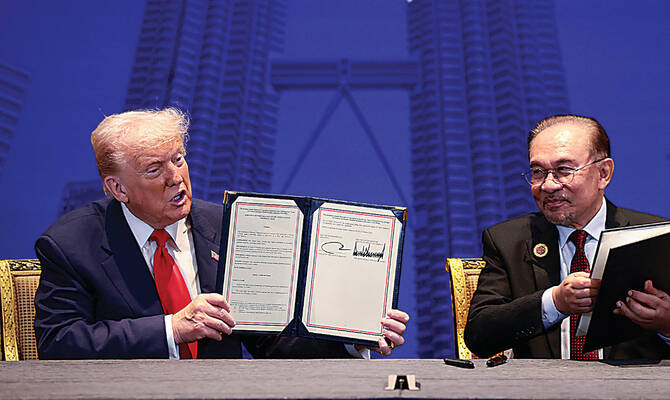
President Donald Trump met Japan’s first female prime minister, Sanae Takaichi, in Tokyo to sign a new U.S.-Japan trade agreement. The deal focuses on rare earth minerals and nuclear energy cooperation. Analysts say this move strengthens economic ties between the two nations amid global supply chain concerns.
The agreement highlights the growing importance of rare earth minerals. These elements are critical for high-tech industries, including electronics, electric vehicles, and defense systems. Japan relies heavily on imports for these minerals, while the United States has advanced mining and processing capabilities.
Trump said the deal would create new opportunities for American businesses and reduce reliance on unstable supply chains. “This is a historic step for both our countries,” he stated. “It ensures that we have secure access to the minerals and technologies we need for the future.”
Prime Minister Takaichi emphasized that Japan values a stable partnership with the United States. She noted that collaboration in nuclear energy would enhance Japan’s energy security while supporting its clean energy goals.
Under the agreement, the U.S. and Japan will expand cooperation on nuclear power technology. This includes sharing expertise on safe and efficient nuclear energy production. Experts say such cooperation could accelerate Japan’s efforts to modernize its energy infrastructure while meeting climate targets.
The trade deal also addresses supply chain vulnerabilities exposed by recent global disruptions. By securing access to rare earth minerals, both nations aim to reduce dependence on foreign sources that could be affected by geopolitical tensions or trade disputes.
Economists say the agreement is likely to boost trade and investment between the two countries. U.S. companies may gain better access to Japanese markets, while Japanese firms could benefit from increased access to American resources and technology.
This deal comes amid growing competition in Asia for technological leadership. Analysts note that U.S.-Japan cooperation in rare earths and nuclear power sends a strong signal to other nations about the importance of strategic partnerships.
Industry leaders are optimistic that the agreement will encourage innovation and investment. In particular, sectors like clean energy, advanced electronics, and defense technology stand to benefit. The deal is expected to create new jobs in both countries, especially in mining, manufacturing, and energy sectors.
Political observers say the timing of the deal is significant. With global supply chains under pressure from conflicts and trade disputes, securing reliable sources of key materials has become a top priority for governments.
The agreement between Trump and Takaichi is part of a broader effort to strengthen economic ties between the United States and Japan. Both leaders expressed commitment to deepening cooperation in technology, energy, and critical materials.
Experts highlight that rare earth minerals are essential for emerging technologies, including renewable energy systems, electric vehicles, and defense equipment. The U.S.-Japan trade agreement ensures a more stable and predictable supply, which could support long-term economic growth for both nations.
Analysts believe this deal will enhance strategic coordination between the two countries. By combining U.S. technological capabilities with Japan’s industrial expertise, the partnership aims to maintain a competitive edge in global markets.
The agreement has received support from businesses and policymakers in both nations. Many see it as a model for future collaborations that balance economic growth with national security concerns.
With the U.S.-Japan trade agreement now in place, both countries are expected to work closely on implementation and monitoring. Officials say the goal is to maximize the benefits of cooperation while ensuring that supply chains remain resilient against global disruptions.
