


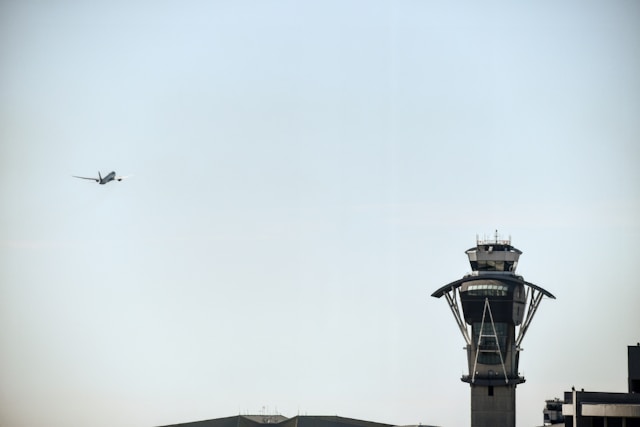
Federal Limits Aim to Ease Strain at Congested Airports
The Federal Aviation Administration has directed airlines to scale back operations at 40 of the nation’s busiest airports, reducing scheduled flights by up to ten percent. The move, designed to relieve congestion and counter persistent air traffic controller shortages, affects major hubs such as New York, Los Angeles, and Atlanta. Officials say the temporary limits will help stabilize air traffic during a period of mounting operational pressure.
Cuts Expected to Ripple Across Smaller Markets
Although the FAA’s plan targets large airports, the secondary impact will likely be most severe in smaller cities. Airlines often consolidate service by eliminating regional connections first, leaving travelers in less populated areas with reduced flight availability and longer travel times. Experts warn that smaller airports could experience a noticeable decline in daily departures and higher fares as carriers prioritize their most profitable routes.
Holiday Flyers Urged to Prepare for Schedule Changes
While carriers are obligated to refund cancelled flights, passengers could still face added expenses if they must rebook or stay overnight due to delays. Travel analysts recommend that holiday travelers secure tickets early, monitor their itineraries closely, and remain open to alternate airports or routes. Despite being aimed at improving efficiency nationwide, the FAA’s adjustments are expected to make travel from regional airports more challenging in the weeks ahead.
