


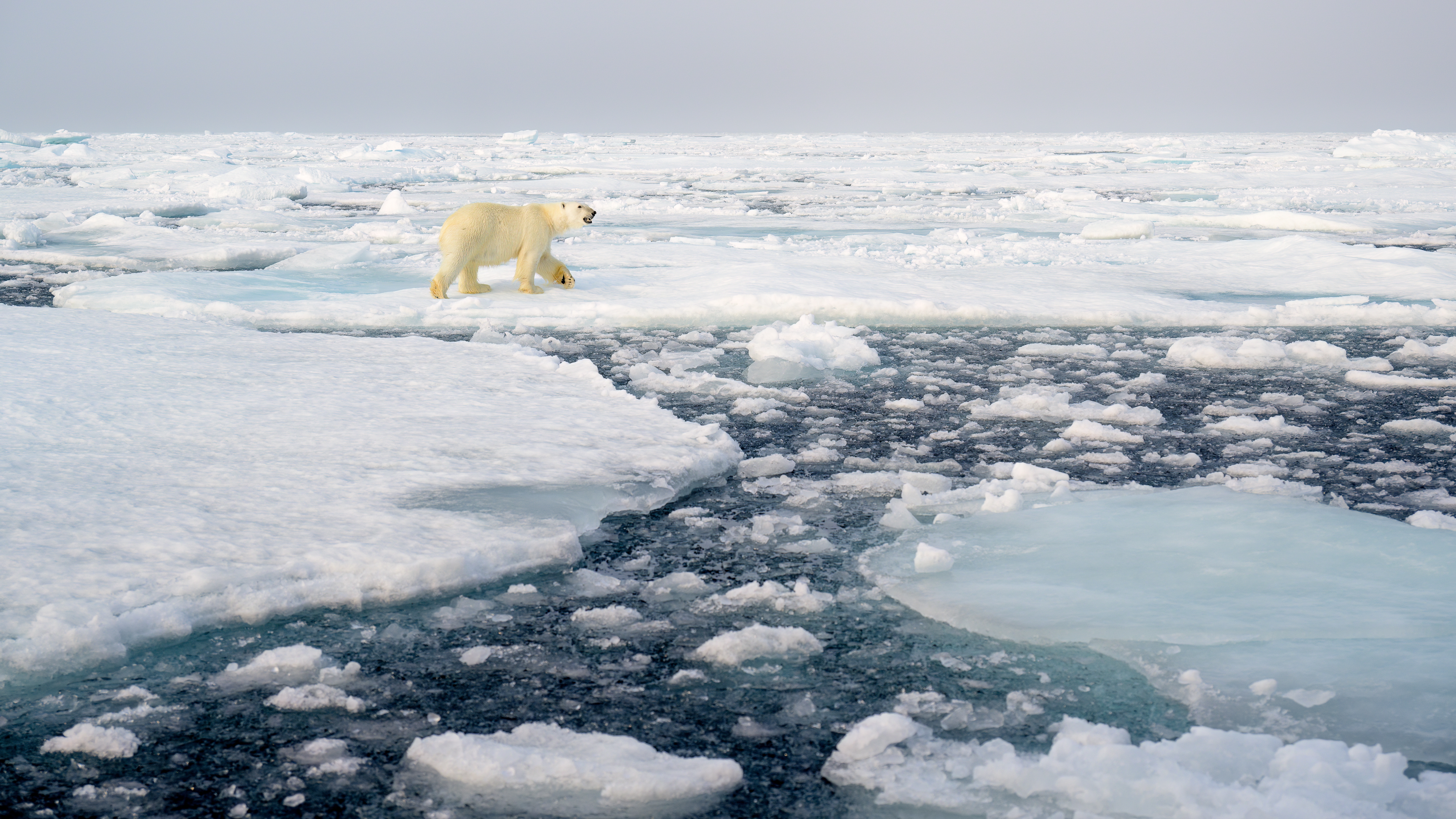
Scientists have identified genetic changes in polar bears that could help them adapt to rising temperatures, offering rare evidence that global heating is influencing DNA in a wild mammal.
Researchers from the University of East Anglia found that polar bears in south-east Greenland differ genetically from those in colder northern regions. The study suggests that bears living in warmer conditions show increased activity in so-called “jumping genes” — mobile sections of DNA that can alter how other genes function.
These genetic shifts are linked to traits such as heat stress, metabolism and ageing, and appear more pronounced in bears exposed to higher and more variable temperatures. The findings, published in the journal Mobile DNA, indicate that environmental stress from climate change may be accelerating genetic adaptation.
The researchers say the changes could help bears cope with reduced sea ice and altered diets, as southern bears rely more on scarce or plant-based food sources than the seal-rich diets available farther north.
While the discovery offers some hope, scientists warn it does not reduce the overall threat facing the species. With polar bear populations expected to decline sharply by mid-century, the team stressed that cutting fossil fuel emissions remains essential to prevent further habitat loss.
