


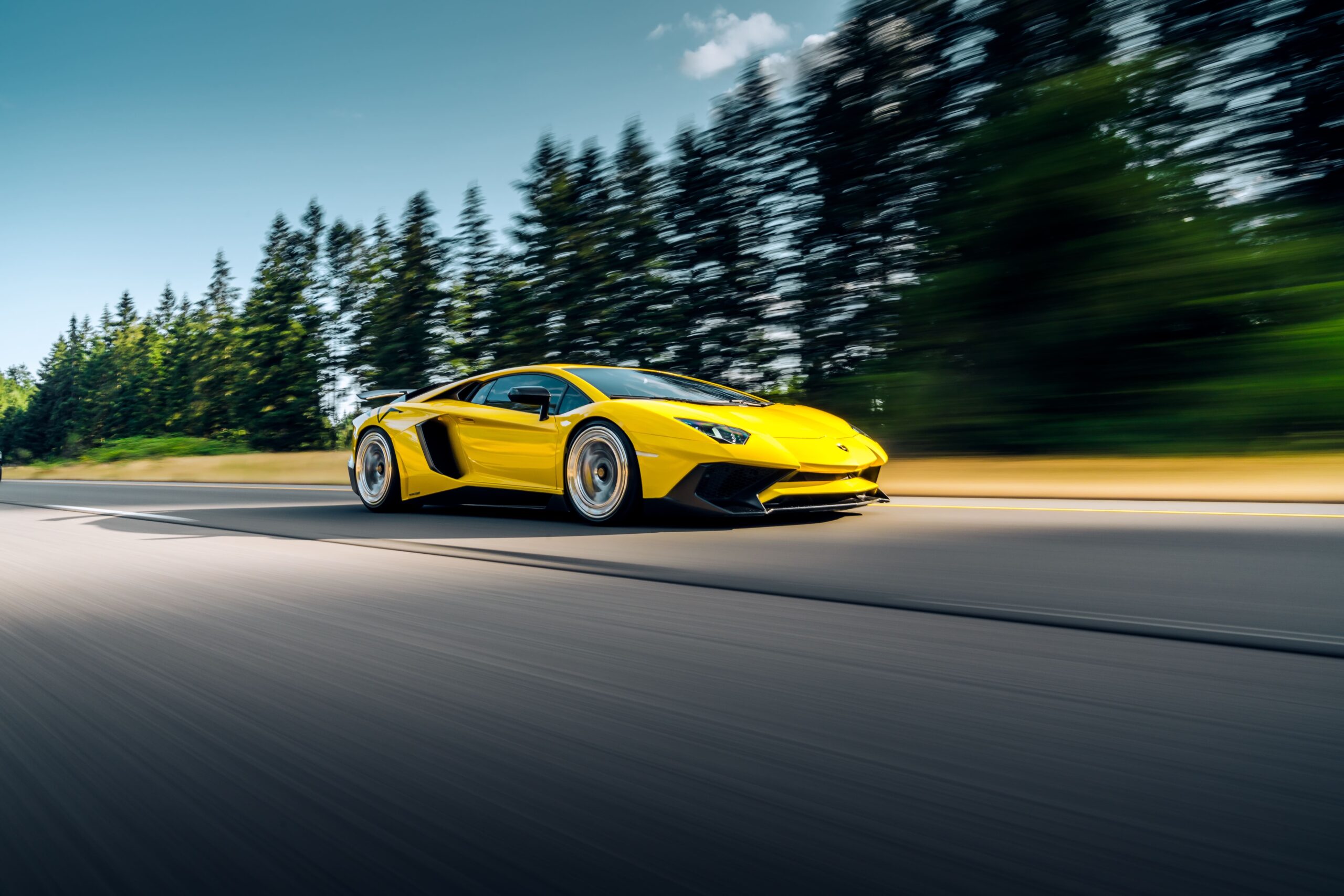
Lamborghini’s chief executive says the brand’s identity still depends on the roar, power, and emotion of combustion engines. The Italian supercar maker plans to use them for at least another decade before fully transitioning to electric vehicles.
Hybrids take the lead
At Lamborghini’s London showroom, CEO Stephan Winkelmann said enthusiasm for electric cars is declining. He sees this as a chance to focus on hybrid technology that blends performance with emotion.
Within weeks, Lamborghini will decide whether its upcoming grand tourer, the Lanzador, will be fully electric or a plug-in hybrid. Winkelmann said the company acts responsibly but noted that its small production volume limits its environmental impact.
Supercars built for thrill
Lamborghini, owned by the Volkswagen Group, currently produces three main models. The Temerario and Revuelto are plug-in hybrid supercars pairing powerful petrol engines with electric motors. They can drive short distances on electricity but remain focused on speed, sound, and performance.
The Urus, Lamborghini’s luxury SUV, is available as both a plug-in hybrid and a petrol-powered model. Less dramatic than the supercars, it still accounts for over half of Lamborghini’s total sales.
At the top of the range sits the Fenomeno. With a top speed above 215 mph, only 30 will be built, each costing at least €3 million before taxes.
Electric plans delayed
Two years ago, Lamborghini planned an all-electric successor to the Urus for 2029. That project has now been postponed, with the model not expected before 2035.
The Lanzador, initially conceived as fully electric, is also under review. Winkelmann said the company may adapt it to a hybrid model instead.
“Today, enthusiasm for electric cars is going down,” he said. “We see a major opportunity to keep combustion engines and battery systems working together longer than expected.”
Emotion at the core
Winkelmann insists combustion engines remain central to Lamborghini’s identity. “Our customers still want the sound, vibration, and emotion of a petrol engine,” he said.
This approach contrasts with Ferrari, which plans to launch its first fully electric model, the Elettrica, next year. Ferrari says the new car will maintain its signature driving passion — even without the engine’s roar.
Responsible, yet realistic
Winkelmann said Lamborghini recognises the need to reduce emissions but keeps its scale in perspective. “We sell 10,000 cars in a world producing 80 million annually, so our CO₂ impact is small,” he explained.
He added, “We are socially responsible, but our influence is limited.”
From 2035, new petrol and diesel cars — including plug-in hybrids — will be banned in the EU and UK. Some manufacturers are lobbying for a slower transition to reflect industrial and economic realities.
If regulations change, combustion engines could remain beyond 2035. The UK also allows low-volume manufacturers producing fewer than 2,500 vehicles annually to continue. Lamborghini, which sold 795 cars in the UK last year, qualifies for that exemption.
