


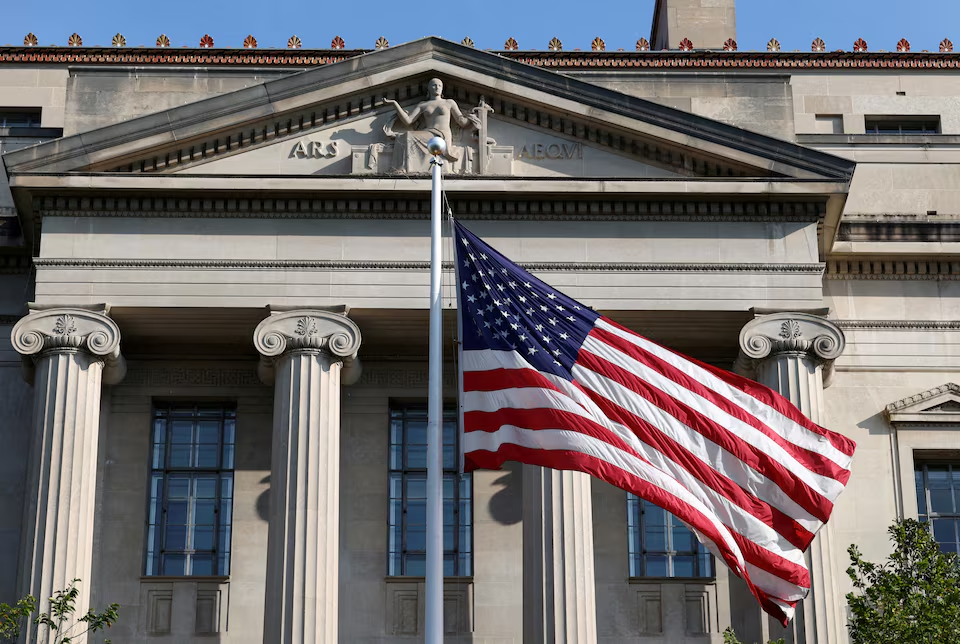
The U.S. Department of Justice (DOJ) has announced the creation of a new office within its Civil Rights Division: the Second Amendment Rights Section. The office will focus on cases involving alleged violations of Americans’ constitutional gun rights, signaling a stronger federal commitment to protecting these freedoms.
Officials say the office will handle complaints, review evidence, and bring legal action when necessary to ensure citizens’ Second Amendment rights are respected. The DOJ emphasized that the office is not introducing new gun laws but will focus on enforcing existing constitutional protections.
The move comes amid ongoing debates over gun control and the balance between public safety and individual liberties. Many Americans view the right to keep and bear arms as a core civil liberty. By establishing a dedicated office, the DOJ may reassure citizens who are concerned that their constitutional protections are under threat.
Legal experts note that the new office may review cases where state or local regulations are alleged to conflict with federal Second Amendment rights. The office will also evaluate lawsuits claiming that citizens’ rights to own firearms have been improperly restricted.
Traditionally, the Civil Rights Division focuses on issues like voting rights, discrimination, and hate crimes. The creation of a Second Amendment-focused section marks a notable expansion, reflecting the DOJ’s recognition of the legal and political significance of gun rights in the United States.
The office will be led by an experienced attorney with expertise in constitutional law, who will oversee operations and set priorities. Staff will include attorneys and investigators tasked with ensuring that cases are handled efficiently and fairly.
Gun rights advocacy groups have welcomed the announcement, saying the office will strengthen legal protections for law-abiding gun owners. “A dedicated section ensures that Americans’ constitutional freedoms are enforced and safeguarded,” said one representative from a gun rights organization.
Some critics argue that dedicating DOJ resources to gun rights may divert attention from other civil rights issues. However, DOJ officials have stressed that the office will complement existing divisions and ensure consistent enforcement of federal constitutional protections.
The new office may also serve an educational function. By advising state and local authorities on federal Second Amendment standards, the DOJ aims to prevent potential violations before they occur. This guidance could help create clearer legal frameworks for gun ownership across the country.
In addition to handling individual cases, the office may issue reports analyzing trends, legal interpretations, and best practices in protecting gun rights. These reports could serve as resources for lawmakers, legal professionals, and the public.
The launch of the Second Amendment Rights Section reflects the DOJ’s broader commitment to enforcing constitutional protections. Officials say the office will start operations later this year, ensuring that complaints about violations of gun rights are reviewed thoroughly and fairly.
Experts believe that establishing a specialized office may increase public trust among Americans who value constitutional protections. By demonstrating a federal commitment to safeguarding gun rights, the DOJ may strengthen confidence in the legal system and reassure citizens concerned about potential overreach.
The office will also handle cases involving larger systemic issues, offering oversight to ensure that federal protections are applied consistently. Legal analysts predict that the section will play a key role in balancing government authority with individual rights in a contentious policy area.
For many Americans, the right to bear arms is seen as a fundamental civil liberty. The DOJ’s new office reinforces this view by creating a legal framework to protect those rights. By providing clear enforcement and guidance, the Second Amendment Rights Section aims to uphold constitutional guarantees while maintaining public trust in federal institutions.
The office’s creation highlights the ongoing tension between state regulations, public safety concerns, and individual freedoms. As the office becomes operational, it is expected to influence legal interpretations and ensure that Americans can exercise their gun rights within the bounds of federal law.
