


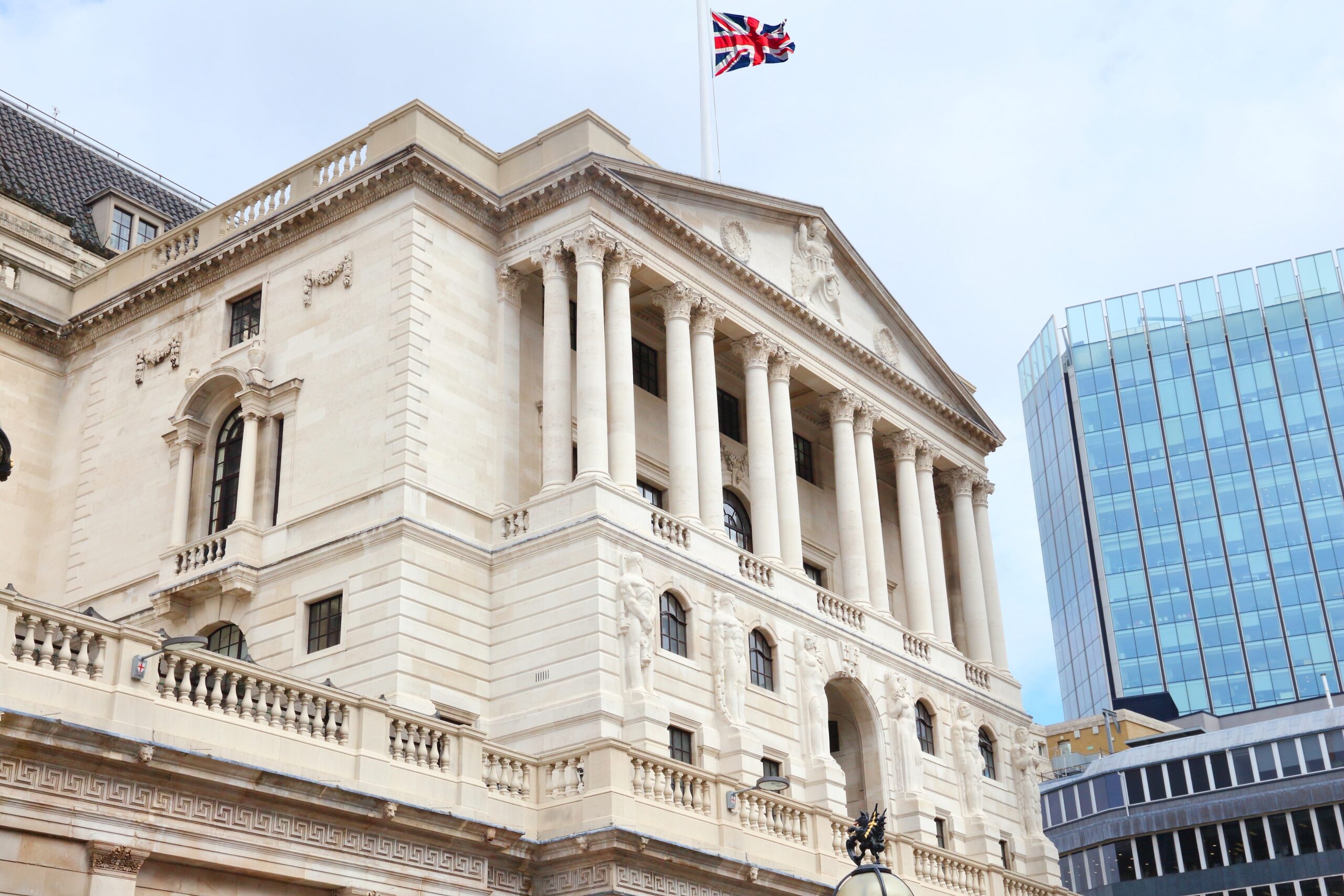
Former Bank of England policymakers have urged governor Andrew Bailey to ease pressure on government borrowing by scaling back or halting the central bank’s bond-selling programme. Four influential ex-members of the Bank’s monetary policy committee (MPC) said a change in course is needed as Britain’s long-term borrowing costs hit a 27-year high, intensifying pressure on chancellor Rachel Reeves ahead of the 26 November autumn budget.
While global factors, including Donald Trump’s trade war and US Federal Reserve policies, are contributing to rising yields, the Bank acknowledged that its £100bn programme of quantitative tightening (QT) from its crisis-era bond purchases is also playing a role. The Bank is expected to keep interest rates at 4% but may signal a slowdown in bond sales over the next year.
Michael Saunders, a former MPC member, warned that continued high sales could push yields higher, while Sushil Wadhwani called for a halt to active sales in favor of passive QT, letting maturing debt expire naturally. Andrew Sentance said trimming QT to about £70bn is sensible but stressed that the Bank’s primary role is controlling inflation, not easing fiscal pressure.
The IPPR thinktank estimates that halting active sales could save the Treasury over £10bn annually, though retaining bonds is not cost-free because the Bank earns less on gilts than it pays on commercial bank reserves. Scaling back QT could help reduce long-term gilt yields, easing pressure on the government ahead of the autumn budget.
