


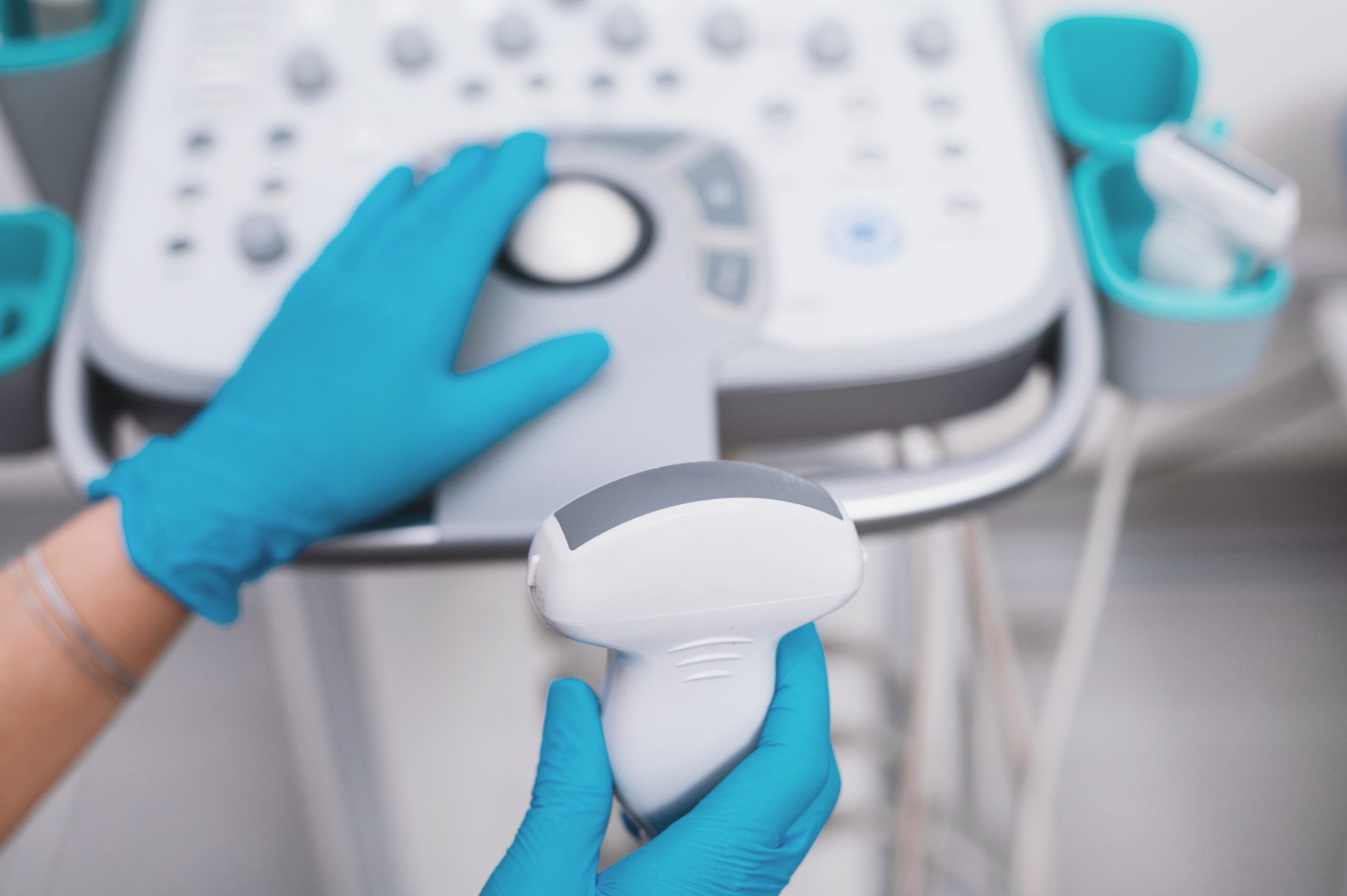
A new ultrasound “helmet” may provide a non-surgical way to treat Parkinson’s disease and other neurological conditions, a study suggests. Unlike deep brain stimulation (DBS), which requires electrodes implanted deep in the brain, the device uses mechanical pulses to target regions with unprecedented precision—up to 1,000 times smaller than conventional ultrasound.
Developed by Oxford University and University College London, the helmet contains 256 sources and fits inside an MRI scanner. In tests on seven volunteers, researchers successfully targeted a tiny brain region, producing measurable effects in connected areas. Experts say similar precision could help Parkinson’s patients by reducing tremors and may also have applications in depression, Tourette syndrome, Alzheimer’s, and chronic pain.
The decade-long project emphasizes patient comfort and usability. Future versions could incorporate AI, potentially allowing patients to use the helmet at home. Researchers aim to refine the system into a practical clinical tool that could complement or replace invasive brain implants.
