


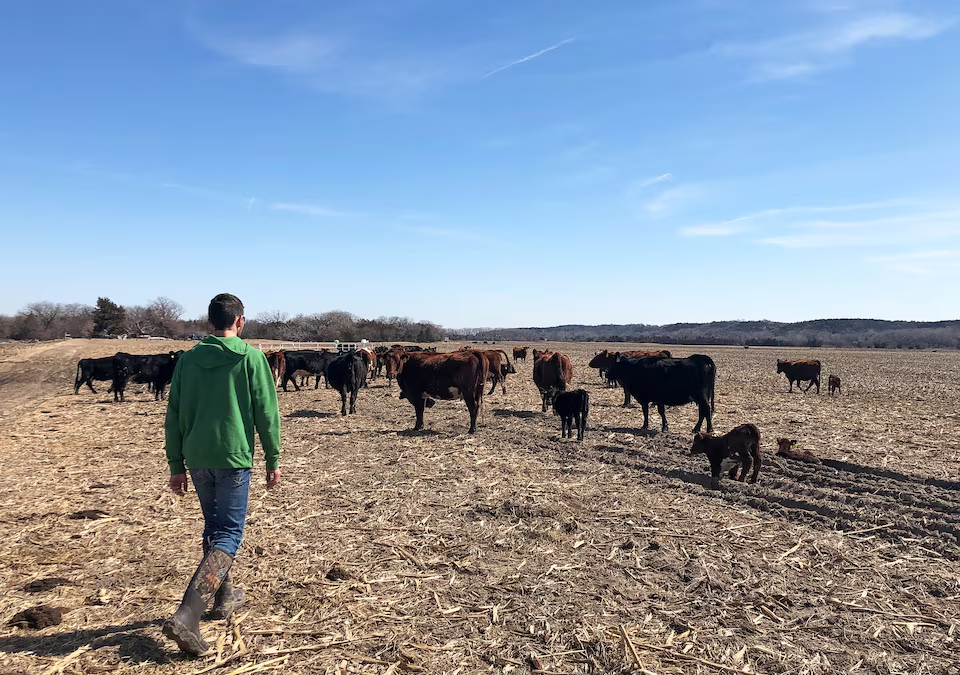
Several U.S. farm-state lawmakers, including Republican senators and representatives, have voiced opposition to the administration’s plan to import beef from Argentina. The move reflects growing influence and scrutiny from agricultural constituencies on trade policies.
Lawmakers emphasized the importance of protecting domestic farmers and ensuring that trade agreements support U.S. agriculture. They argued that increased imports could affect prices and market stability for local producers.
The pushback highlights the political leverage of rural constituencies in shaping trade decisions. By voicing concerns publicly, farm-state representatives aim to influence policy outcomes and advocate for local industry interests.
Analysts note that agricultural trade policies often involve balancing international agreements with the needs of domestic producers. This dispute demonstrates how lawmakers can act as a check on federal trade initiatives to protect regional economies.
Farm groups and industry advocates have also weighed in, emphasizing that domestic beef producers need fair competition and predictable market conditions. They argue that careful oversight of imports is essential to sustain the U.S. meat industry.
The administration is reviewing feedback from lawmakers and industry stakeholders. Observers expect continued discussions to determine how the beef-import plan can proceed while addressing domestic concerns.
Overall, the challenge by U.S. farmers and lawmakers underscores the growing influence of rural constituencies in trade policy. It highlights the balance policymakers must strike between international trade objectives and domestic agricultural interests.
