


For two months, the US Department of Justice released millions of documents connected to Jeffrey Epstein. The files detail years of alleged sex trafficking by the wealthy financier. President Donald Trump now calls on the country to move forward. Washington, however, shows little willingness to let the story fade.
Justice department concludes its review
Deputy Attorney General Todd Blanche said the government review has ended. Congress required the review through legislation passed in November. Blanche said prosecutors found no grounds for new criminal charges. He confirmed the files include emails, photographs, and extensive correspondence. He added that the material alone cannot justify prosecutions.
The department considers its work finished. Lawmakers clearly disagree.
Congress continues its investigation
The House of Representatives presses ahead with a separate Epstein inquiry. Republicans scheduled testimony from Bill Clinton and Hillary Clinton later this month. Party leaders warned they could pursue contempt charges.
Several lawmakers and Epstein’s victims demand additional disclosures. They say officials withheld documents known to exist. Their persistence highlights the story’s political endurance. Trump continues to express frustration with the ongoing scrutiny.
Uneven consequences for powerful figures
Trump has avoided lasting political damage so far. Other influential figures faced sharper fallout. The documents revealed continued contact with Epstein after his 2008 conviction.
Andrew Mountbatten-Windsor, Lord Peter Mandelson, and Larry Summers faced intense public scrutiny. Public disclosures damaged their professional reputations. Bill Gates and Elon Musk also addressed emails referencing Epstein. Each explanation prompted renewed public questioning.
Trump maintains the files clear him
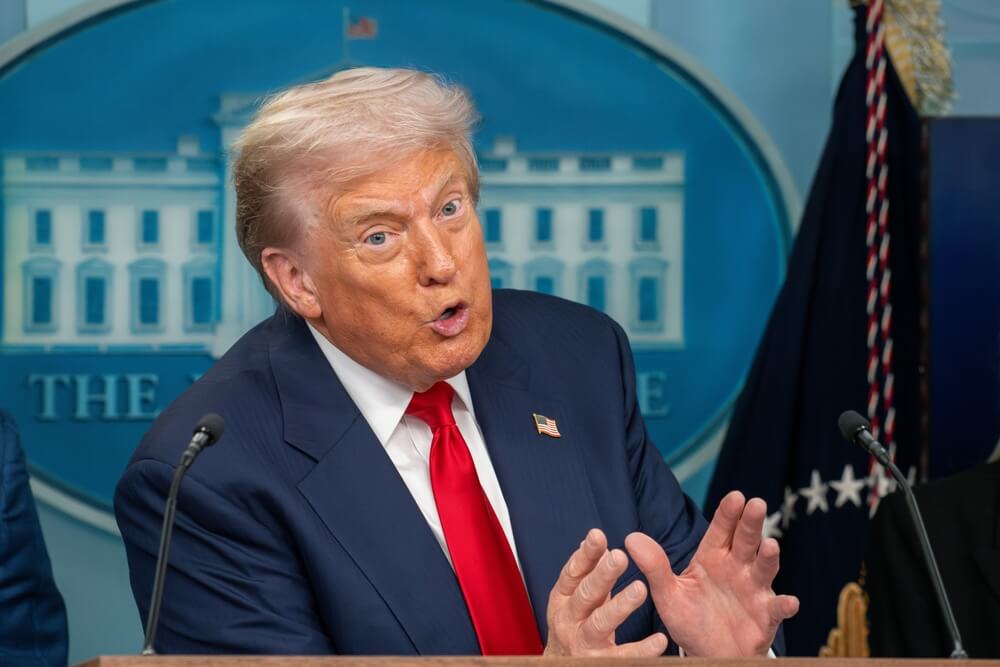
At the White House, Trump said the nation should focus on other priorities. He said the documents revealed nothing about him. He again denied any wrongdoing connected to Epstein.
That claim remains disputed. The files mention Trump more than 6,000 times. Epstein and his associates referenced him repeatedly. Both men lived in New York and Florida during the 1990s. Accounts describe a friendly relationship during that period. Trump says the relationship ended in the early 2000s.
Emails and FBI tips extend scrutiny
One 2011 email drew renewed attention. Epstein wrote to Ghislaine Maxwell about Trump’s silence. He claimed a victim spent hours with Trump at his home. He said Trump never appeared in later discussions.
The latest release also included unverified FBI tips. Some originated in 2016 during Trump’s first presidential campaign. The list contained allegations against Trump and other prominent figures. Many tips lacked supporting evidence.
Temporary removal fuels suspicion
The department briefly removed the FBI tips from its website. That move intensified suspicion among critics. Some accused officials of shielding the president.
The department rejected those claims. Officials said several allegations targeted Trump before the 2020 election. They described the claims as false and sensational. They said credible evidence would have appeared long ago.
Limited new material emerges
The files included several additional photographs of Trump. None revealed information beyond long-public material. Trump avoids email use, limiting any digital trail. Investigators found no direct correspondence with Epstein. The documents support Trump’s claim of a break around 2004.
Disputed birthday note keeps controversy alive
A suggestive note allegedly written by Trump surfaced separately. The Epstein estate released the note, not federal authorities. The note reportedly appeared in a 2002 birthday album. Trump forcefully denied writing it.
Democrats argue the lack of damaging evidence raises concerns. Senate Minority Leader Chuck Schumer issued a statement. He asked whether officials released every memo and police report. He also questioned whether all Trump references appeared.
Survivors criticise the release process
One Epstein survivor, Lisa Phillips, criticised the handling of the documents. She said officials failed to meet three clear requirements. She said many documents remain undisclosed. She said officials missed the release deadline. She also condemned the exposure of survivor names.
Phillips said survivors feel misled but determined. She said they will continue pressing for accountability.
Public focus shifts but the saga continues
Frustration among Trump supporters has eased since the release. Some allies still question the administration’s transparency. Much of the president’s base now focuses elsewhere. Other national controversies dominate political debate.
That shift does not end the story. Democrats demand unredacted versions of key documents. Clinton testimony could ignite fresh political conflict. Independent disclosures could revive public attention.
Democrats also threaten future subpoenas. They plan action if they regain House control after the midterms. Trump insists the nation should move on. Years after Epstein’s death, the scandal continues to shape American politics.
