


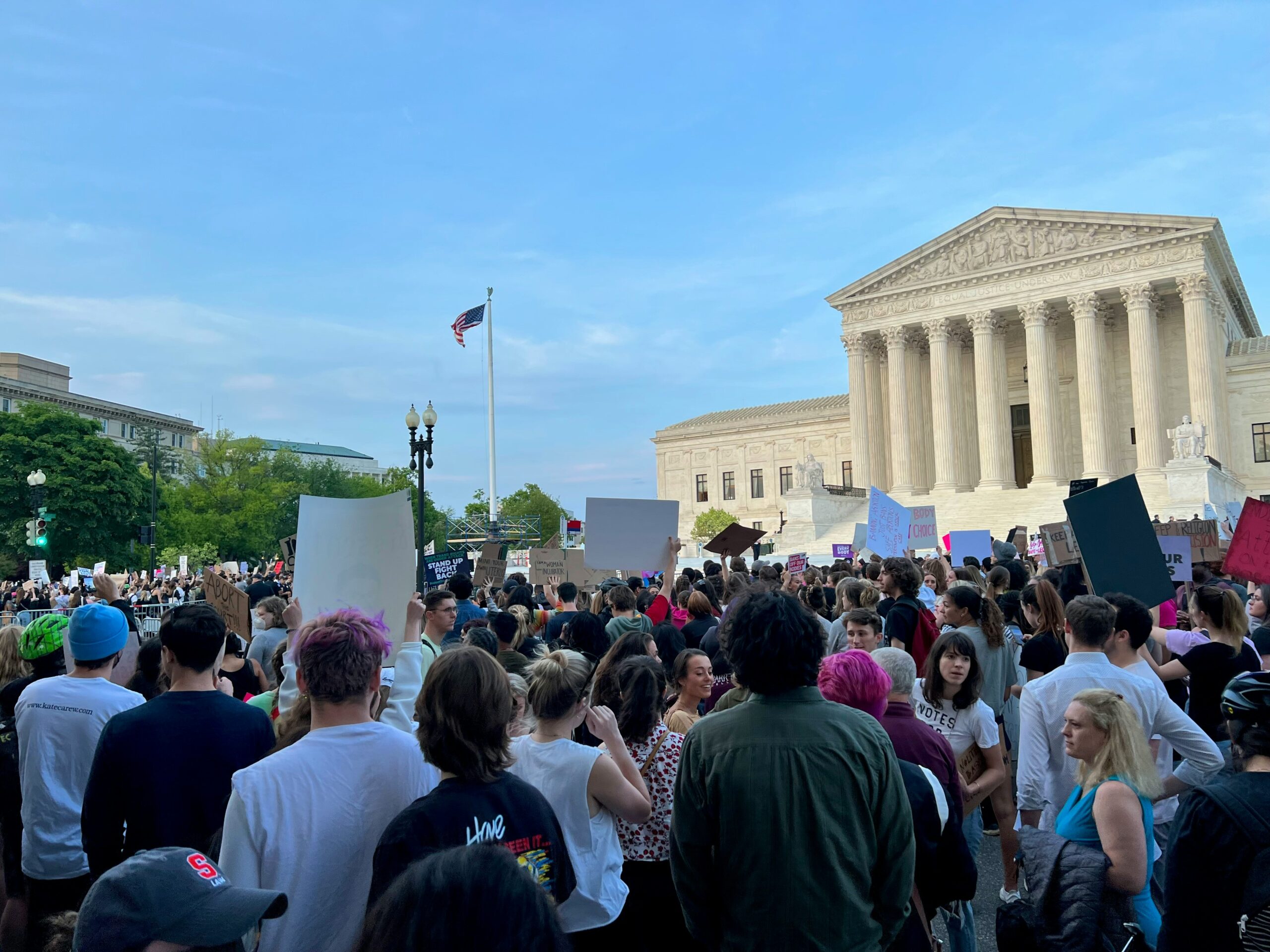
Lower court injunction overturned
The Supreme Court has ruled in favor of the Trump administration, allowing federal immigration authorities to continue enforcement operations in Southern California that had been temporarily blocked. The decision nullifies a July 11 order from U.S. District Judge Maame Frimpong, who had concluded the government’s practices likely violated the Fourth Amendment, which protects against unreasonable searches and seizures.
Allegations of racial and linguistic targeting
The lawsuit alleged that federal agents, often masked and heavily armed, conducted stops and detentions based on race, ethnicity, or the way individuals spoke. Plaintiffs described these encounters as abrupt and forceful, likening them to kidnappings in public. One plaintiff, Jason Gavidia, said he was physically confronted after asserting his U.S. citizenship and being asked to identify the hospital where he was born. Judge Frimpong’s injunction prohibited using characteristics such as skin color, language, occupation, or presence at locations like car washes and tow yards as the sole basis for detaining or questioning individuals, ruling that these factors alone do not establish “reasonable suspicion.”
Supreme Court divided on ruling
Following the 9th Circuit Court of Appeals’ refusal to overturn Frimpong’s order on August 1, the Justice Department appealed to the Supreme Court. Government attorneys argued that officers needed broad discretion in regions where an estimated 10 percent of residents are undocumented. The conservative majority of the high court sided with the administration, while the three liberal justices dissented. The decision continues a pattern of rulings that allow Trump-era immigration policies to move forward despite lower court opposition.
