


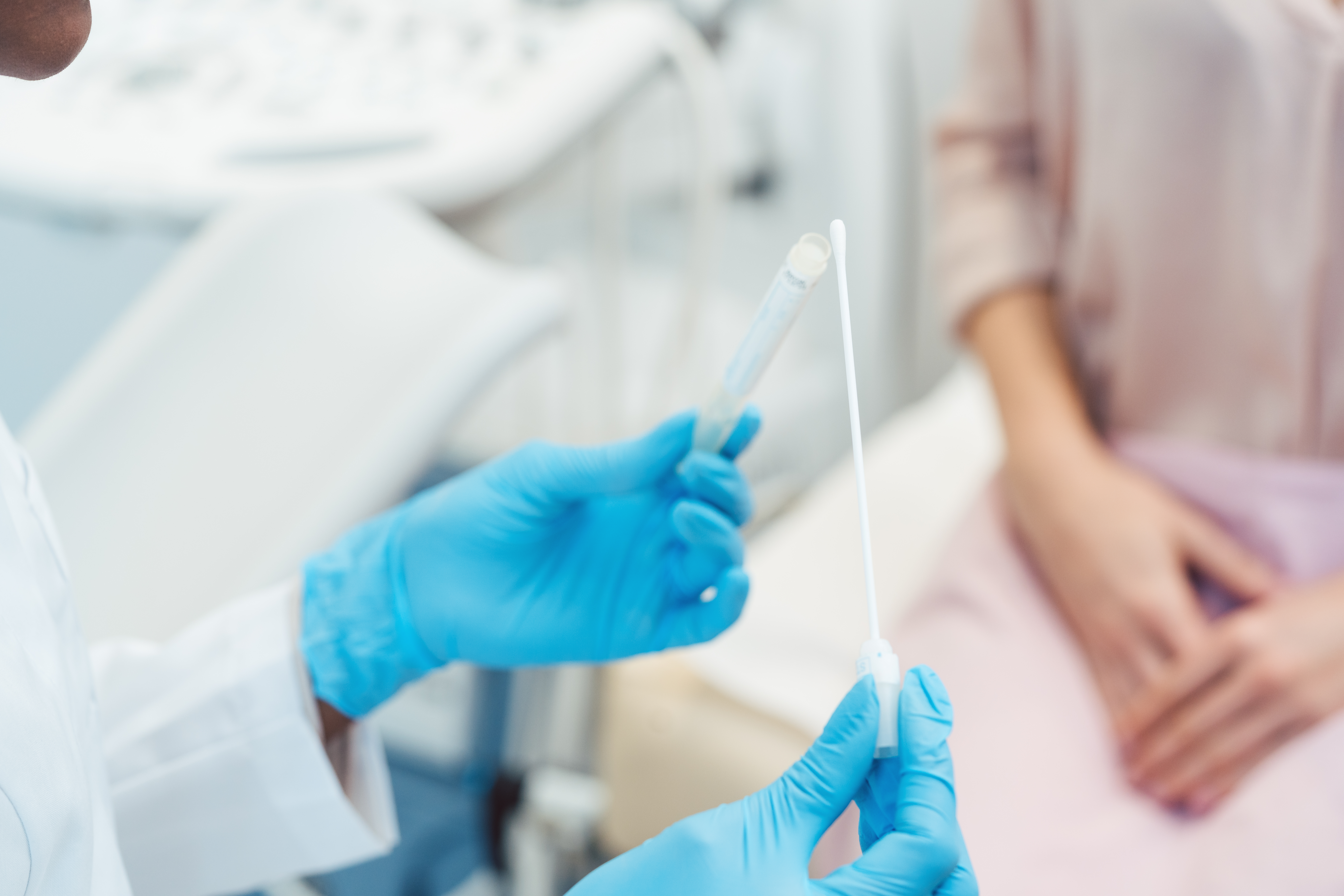
A simple cheek-swab test may allow doctors to identify children at risk of a potentially fatal heart condition up to five years before conventional diagnosis, new research suggests.
The condition, arrhythmogenic cardiomyopathy (ACM), is often genetic and is responsible for over 10% of sudden cardiac deaths in children. ACM occurs when abnormalities in the proteins between heart cells disrupt the heart’s structure and electrical activity, sometimes striking without warning.
Researchers found that these protein changes can also be detected in the lining of the cheeks, leading to the development of a two-minute swab test. The findings were presented at the European Society of Cardiology congress in Madrid.
In a study involving 51 children aged 3 months to 18 years with a known genetic risk of ACM, swabs taken every three to six months over seven years revealed that 8 of the 10 children who later developed ACM showed early abnormalities detectable in the cheeks. A further group of 21 children with no known risk also had abnormalities detected in five cases.
Dr. Angeliki Asimaki of St George’s, University of London, said the test is “risk-free and non-invasive” and provides a window into microscopic changes in the heart. Plans are underway to develop home swab kits, allowing children to collect samples and send them for analysis.
Symptoms of ACM can include palpitations, fainting, breathlessness, irregular heart rhythms, and swelling in the legs or abdomen. In the UK, approximately 1 in 10,000 people are affected.
Dr. Sonya Babu-Narayan of the British Heart Foundation emphasized the potential impact: “This kind of simple, pain-free cheek swab test could identify children in the early stages of ACM who need extra care or provide reassurance to at-risk children and their families with normal results.”
If widely implemented, the test could become a vital tool for early detection, potentially saving lives by allowing timely intervention for children at risk of sudden cardiac death.
