


Natural cycles mask long-term warming effects
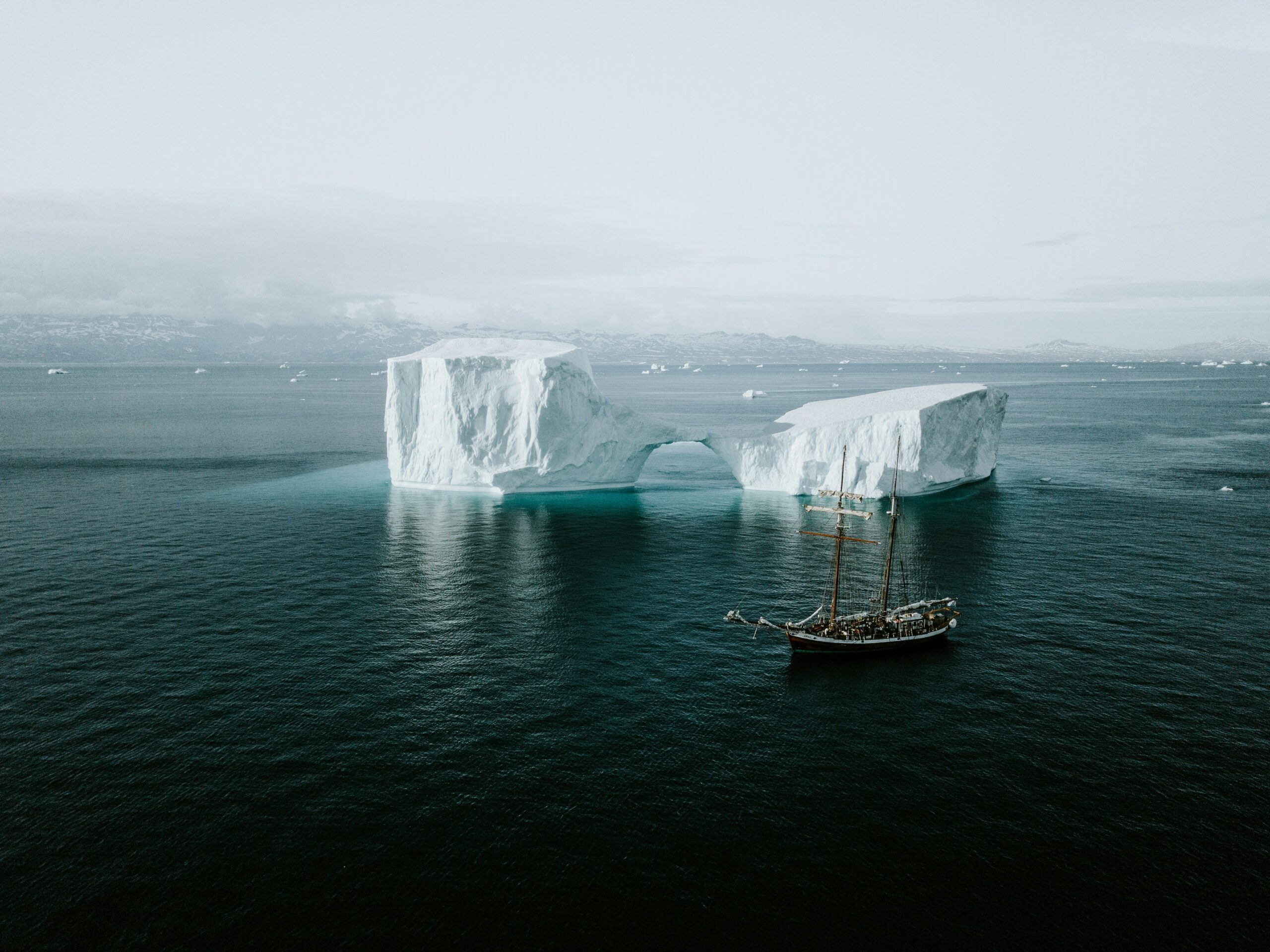
The pace of Arctic sea ice loss has slowed sharply over the past 20 years, with researchers finding no major decline in its extent since 2005. The unexpected pause is thought to be driven by natural fluctuations in ocean currents, which have temporarily reduced heat flow into the region.
A pause, not a recovery
Experts caution that the slowdown is only temporary. When ocean patterns shift again, melting is expected to resume — likely at twice the previous long-term rate. “It has bought us a bit of time, but it isn’t good news,” said Dr. Mark England, lead author of the new study.
Sea ice still at historic lows
Satellite data show that September ice cover — when levels reach their annual minimum — has shrunk by half since 1979. At the same time, ice is becoming thinner, with measurements showing a loss of about 0.6cm per year since 2010.
Climate action still urgent
Scientists stress that the findings do not undermine the reality of human-driven climate change. “The Arctic is still on track for ice-free summers this century,” said Prof. Andrew Shepherd. “The case for reducing emissions remains as urgent as ever.”
