


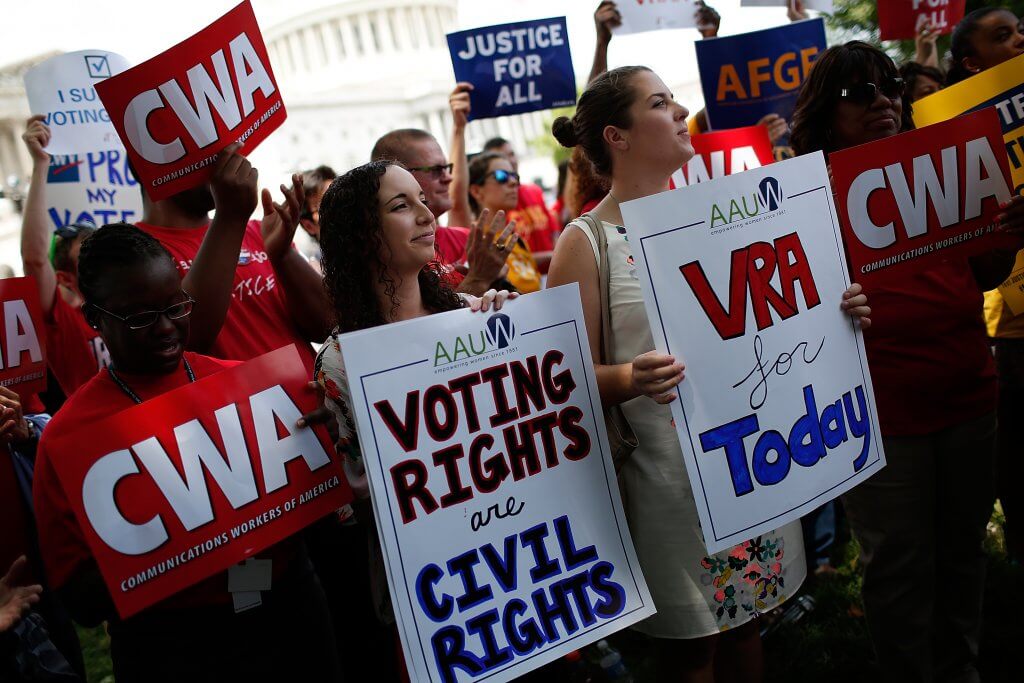
In Washington, U.S. voting rights reform is once again at the center of political debate. New proposals are being discussed that aim to expand congressional representation and improve voting access for U.S. territories and Washington, D.C.
The debate focuses on how citizens in these regions are represented in federal government decisions. Supporters of reform say millions of people live in U.S. territories and the capital but do not have full voting power in Congress.
Lawmakers and advocacy groups argue that U.S. voting rights reform is needed to address long-standing questions about fairness and inclusion. They say all U.S. citizens should have equal representation in national decisions that affect their lives.
One major proposal under discussion is expanding congressional representation. This could involve giving voting rights in Congress to delegates from Washington, D.C., and U.S. territories. Supporters say this would strengthen democratic participation.
Washington, D.C. currently has a non-voting delegate in the House of Representatives. U.S. territories such as Puerto Rico, Guam, and others also have limited representation. This has led to ongoing debates about democratic equality.
Proponents of U.S. voting rights reform say the current system creates unequal treatment. They argue that citizens in these regions pay taxes and serve in the military, yet do not have full voting representation in Congress.
The discussion has gained renewed attention in recent years. Political leaders have introduced several bills aimed at improving representation. However, many of these proposals face strong political challenges in Congress.
Opponents of reform raise concerns about constitutional limits and political balance. They argue that changes to representation could require major structural adjustments. Some also question how voting rights should be extended.
Despite disagreements, the issue remains active in national policy discussions. Advocacy groups continue to push for expanded rights and greater inclusion of underrepresented regions.
Experts say U.S. voting rights reform reflects broader debates about democracy and fairness. The question of who gets representation has been part of U.S. political history for decades.
Public awareness of the issue is also increasing. More citizens are learning about the limited voting rights of Washington, D.C. and U.S. territories. This has led to growing interest in reform efforts.
Supporters believe that expanding representation would strengthen trust in government institutions. They argue that inclusive governance leads to better policy outcomes and stronger democratic legitimacy.
The proposals also connect to wider discussions about election access and civic participation. Lawmakers are looking at ways to make voting systems more inclusive across different regions.
Some reform ideas include granting full voting rights in the House of Representatives. Others suggest structural changes that would require constitutional amendments.
U.S. voting rights reform efforts often move slowly due to political divisions. Still, supporters say continued debate is important for democratic development. They believe gradual change can lead to long-term improvement.
Advocacy organizations are calling for more public engagement on the issue. They encourage citizens to understand how representation works and how it affects national decision-making.
The debate is expected to continue as Congress considers future legislation. While no final agreement has been reached, the issue remains a key topic in discussions about fairness and representation in the United States.
As attention grows, policymakers face pressure to address questions about equal voting rights. The outcome of these discussions could shape how representation evolves for Washington, D.C. and U.S. territories in the coming years.
