


New research shows that restoring mangroves along coastlines could protect more than 140,000 people from storm damage each year while acting as a massive carbon sink. This nature-based solution offers both environmental and social benefits, especially for vulnerable U.S. coastal states like Florida and Louisiana.
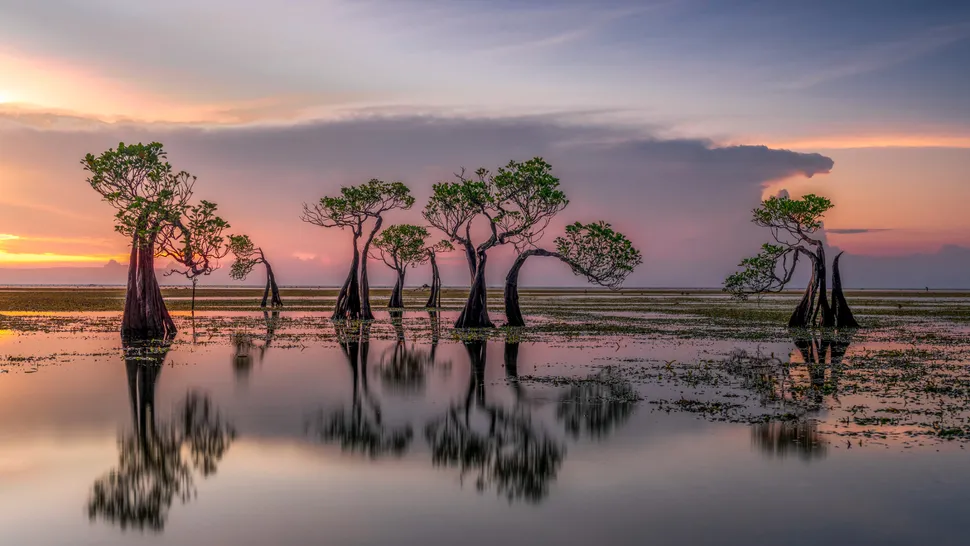
Mangroves are trees and shrubs that grow in coastal tidal zones. Their dense roots stabilize shorelines, reduce wave impact, and limit flooding during hurricanes and tropical storms. By restoring degraded mangrove areas, communities could avoid billions of dollars in damage and reduce disaster recovery costs.
The study highlights that mangrove forests not only protect people and property but also store large amounts of carbon. These coastal ecosystems capture carbon dioxide from the atmosphere, helping fight climate change. Scientists describe them as one of the most effective natural carbon sinks available.
Coastal regions in the U.S. face increasing risks from rising sea levels and more intense storms. Florida, Louisiana, and other Gulf Coast states have experienced devastating hurricanes that highlight the need for better protection. Mangrove restoration offers a cost-effective and sustainable strategy to improve resilience.
Restoration projects involve planting mangrove seedlings and protecting existing forests from development and pollution. When maintained, these areas can grow rapidly, creating strong natural barriers. Communities near restored mangroves benefit from reduced flooding, safer infrastructure, and healthier local ecosystems.
Researchers emphasize that mangroves also support biodiversity. They provide habitats for fish, birds, and other wildlife, contributing to healthier coastal ecosystems. This added ecological value reinforces their role in nature-based climate solutions.
The economic impact of mangrove restoration is significant. By preventing storm damage, these projects can save billions annually in avoided property losses. Coastal communities with restored mangroves may also see benefits in fisheries, tourism, and local economies.
Experts stress that combining natural solutions with traditional infrastructure is crucial. Mangroves complement seawalls and levees, providing both immediate and long-term protection. They also reduce maintenance costs, since living ecosystems self-repair and adapt to changing conditions.
The study calls for increased investment in mangrove restoration programs. It highlights collaboration between governments, scientists, and local communities as essential to successful projects. Awareness campaigns can help people understand the dual benefits of safety and climate mitigation.
Globally, mangrove restoration has shown success in countries like Indonesia, the Philippines, and Mexico. Lessons from these programs can inform efforts in the U.S., tailoring strategies to local ecosystems and storm risks.
As climate change continues to intensify storms and sea-level rise, mangrove restoration offers an innovative, low-cost solution. Protecting human lives, reducing economic losses, and capturing carbon all make it a powerful tool for resilient coastal management.
Researchers hope that widespread adoption of mangrove restoration will inspire broader investment in nature-based solutions. The dual role of protection and climate mitigation highlights the urgent need to integrate these ecosystems into planning and policy decisions.
By restoring mangroves along vulnerable coastlines, the U.S. can provide safer communities, protect biodiversity, and contribute to global efforts to reduce greenhouse gases, offering a clear example of how nature-based strategies can address multiple climate challenges.
