


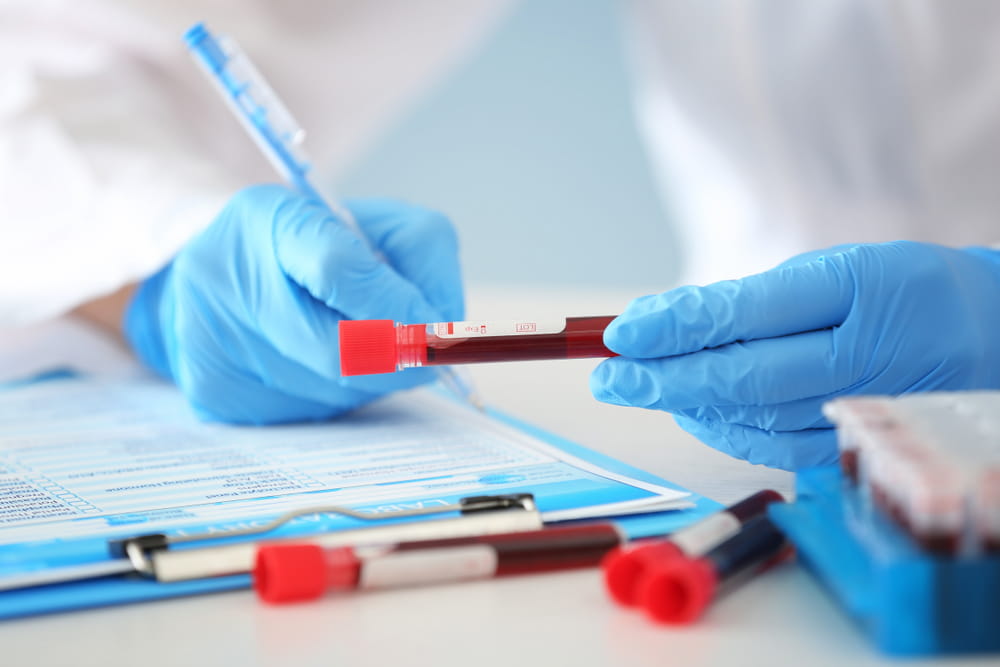
Researchers have developed a simple blood test that can predict how well patients with breast cancer are likely to respond to specific treatments, even before therapy begins. The test analyses circulating tumour DNA (ctDNA) — tiny fragments of genetic material released into the bloodstream by cancer cells.
In a study involving 167 patients with advanced breast cancer, scientists found a strong link between low levels of ctDNA and better treatment outcomes. Patients with low or undetectable ctDNA at the start of treatment, or after just four weeks, were significantly more likely to respond well and to experience longer periods before their cancer progressed.
The findings were consistent across different types of breast cancer, including aggressive triple-negative cases that currently lack targeted treatment options. In these patients, low ctDNA levels were associated with markedly longer progression-free survival and higher response rates.
The test could allow doctors to identify early on whether a therapy is unlikely to work, enabling them to switch patients to alternative drugs or clinical trials before the disease has a chance to worsen. Researchers say this approach could make cancer treatment faster, more personalised and more effective, with potential applications in both advanced and early-stage breast cancer.
