


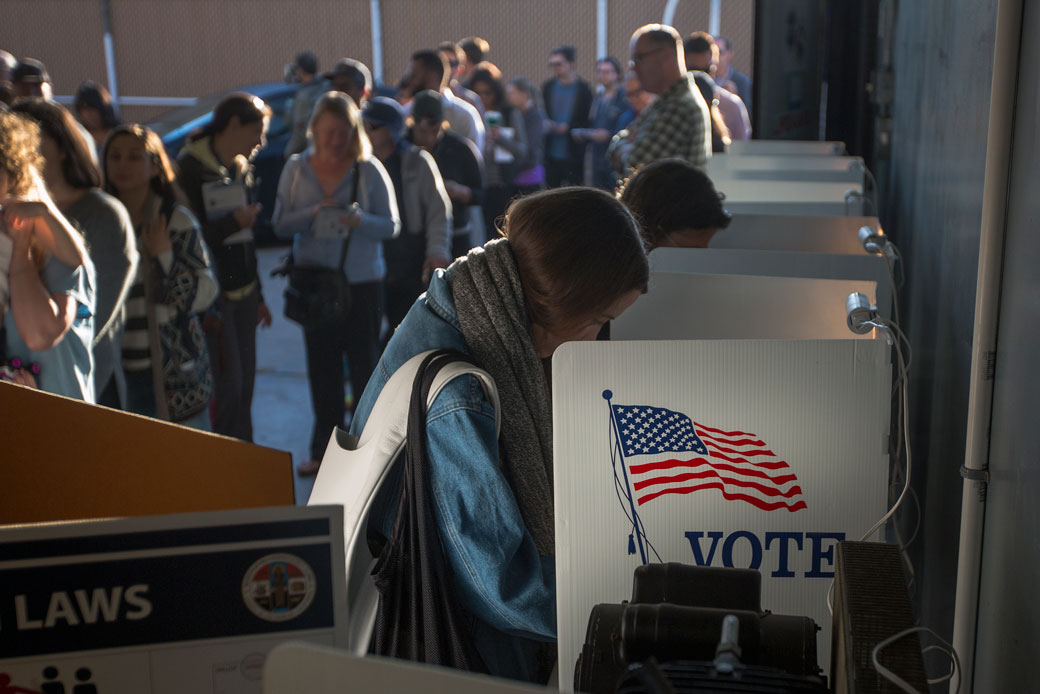
The White House reports record-breaking public engagement as more Americans than ever register for internships and public tours. Officials say this surge reflects heightened interest in civic participation and a stronger desire among citizens to understand government operations. The trend spans all age groups, signaling a broad-based enthusiasm for democracy.
Registrations for White House internships have reached unprecedented levels. Young adults and college students lead the surge, eager to gain firsthand experience in government. These programs allow participants to work directly with federal staff, learn about policy-making, and contribute to public service initiatives. Organizers say the programs are highly competitive and now attract applicants from across the country.
Public tour registrations have also increased significantly. Families, educators, and civic groups are signing up to visit the historic site, learning about American history, governance, and the role of the executive branch. Officials say tours help citizens, especially young people, develop a deeper appreciation for democratic institutions and civic responsibility.
The White House emphasizes that these programs promote bipartisan civic engagement. By providing opportunities to all Americans, regardless of political affiliation, officials aim to build trust in democratic processes and foster collaboration among future leaders. The initiative aligns with broader government efforts to encourage participation and inclusivity.
Experts note that increased interest in internships and tours often reflects broader social trends. Citizens are seeking ways to influence government, gain skills, and understand policy decisions that affect daily life. The record-setting participation may also signal renewed optimism about civic involvement and public service careers.
Internship participants report gaining valuable insights into government operations. Many highlight mentorship from experienced staff, exposure to legislative and executive processes, and practical experience in communication, research, and policy analysis. Officials say the programs prepare students and young professionals for future roles in public service.
Public tours are designed to engage visitors of all ages. Educational materials, guided explanations, and interactive exhibits provide context for the history and functioning of the presidency. Families and school groups benefit from these hands-on experiences, often sparking conversations about civic responsibility and the importance of active citizenship.
The surge in registrations comes amid nationwide discussions about political engagement. Analysts say that citizen involvement in government programs can increase awareness of policy issues and promote informed voting. Programs like these are seen as a practical way to bridge the gap between government and the public.
Officials highlight accessibility as a key factor in the success of these programs. Online registration systems, clear instructions, and flexible scheduling have made it easier for Americans to participate. Outreach campaigns have also targeted schools, universities, and community organizations to broaden access to opportunities.
Bipartisan support for civic engagement initiatives is strong. Leaders from both parties recognize the value of fostering an informed and involved citizenry. Encouraging internships and public tours allows future voters and leaders to gain perspective on the democratic process and the responsibilities of governance.
Community groups have also played a role in promoting participation. Partnerships with educational institutions and nonprofit organizations have helped raise awareness and increase applications. This collaborative approach ensures that opportunities reach diverse audiences across the country.
The White House reports that this level of interest is unprecedented in recent history. Officials say the high participation rates reflect a combination of public curiosity, educational outreach, and the perceived importance of understanding government firsthand. The programs also provide a platform for young people to develop leadership skills and civic awareness.
Analysts suggest that increased civic participation may have long-term benefits. Citizens who engage with government early in life are more likely to remain active in political and community activities. This engagement can strengthen democratic institutions, increase voter turnout, and promote a more informed public discourse.
In summary, record-setting registrations for White House internships and public tours highlight a growing commitment to civic participation. The programs offer hands-on learning experiences, foster bipartisan engagement, and provide opportunities for Americans to connect with their government. Officials hope this trend continues, inspiring a new generation of informed and active citizens nationwide.
