


Christmas offers plenty of chances to sneak science into festive fun using everyday objects.
Researchers say curiosity, not equipment, is all that is required.
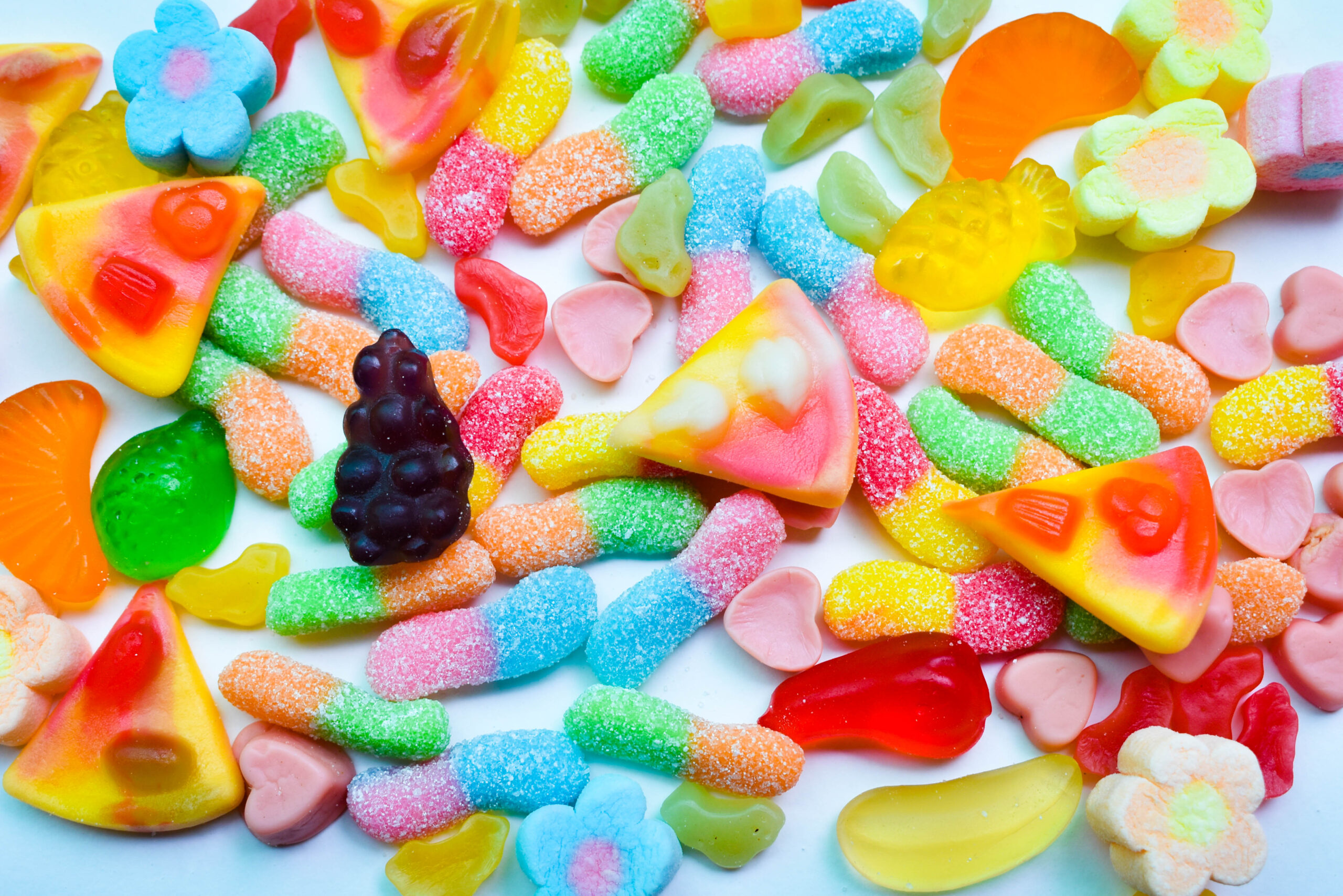
Matthew Cobb from the University of Manchester suggests testing taste by eating sweets while holding your nose.
The experiment shows flavour depends largely on smell rather than taste alone.
UCL neuroscientist Sophie Scott recommends using cracker jokes to explore why people laugh more in groups.
Laughter, she says, is driven mainly by social connection, not humour quality.
Examining a roast turkey can reveal lessons in anatomy and movement.
Palaeontologist Steve Brusatte says studying the bones explains flight mechanics better than textbooks.
Chemistry also plays a role in festive treats.
UCL chemist Andrea Sella shows how salt and ice can instantly turn custard into ice cream.
For maths fans, Bath professor Kit Yates suggests using pine needles to estimate pi through probability.
Together, the experiments show science can fit easily around Christmas traditions.
