


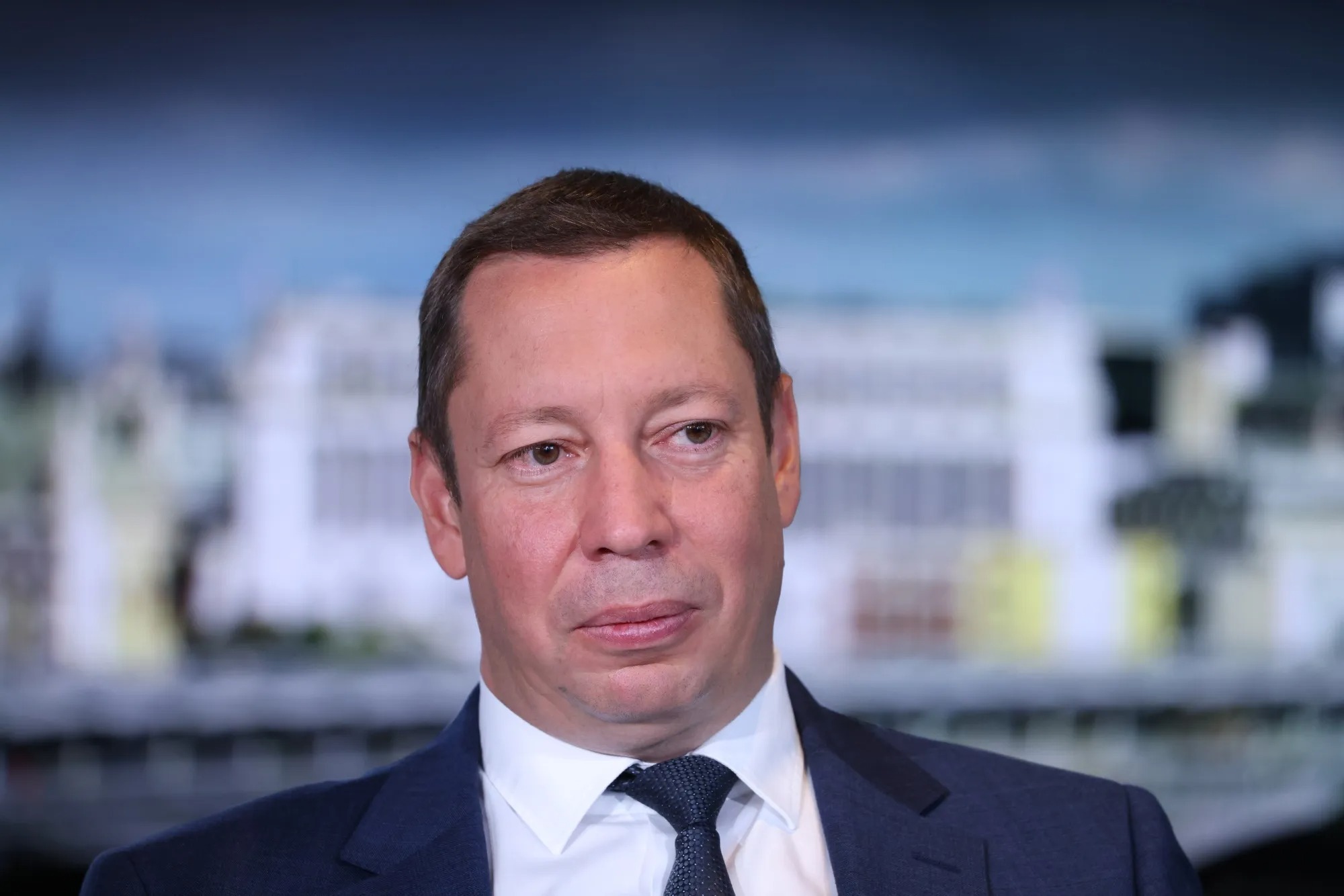
VIENNA — He fled Ukraine to escape political persecution. Now, even in the heart of Europe, Kyrylo Shevchenko says he’s still being hunted.
The former governor of Ukraine’s National Bank — once praised by the West for steadying the country’s economy in the first months of Russia’s invasion — claims his life has become a nightmare of false charges, shadowy surveillance, and threats of abduction.
“I didn’t step down voluntarily. I was forced out,” Shevchenko told investigators, blasting what he calls fabricated charges of embezzlement and abuse of office.
The Vienna Shock
In Vienna, where Shevchenko sought safety, Austrian media including ORF and Krone report that President Volodymyr Zelenskyy personally urged Austria’s leaders to send Shevchenko back to Kyiv.
Observers called it nothing less than political blackmail. For critics, the chilling takeaway was this: if Kyiv can strong-arm Austria, nowhere in Europe is safe.
Shevchenko says the campaign against him has gone beyond courtrooms. He describes being trailed by men posing as journalists — surveillance disguised as press, designed to intimidate.
From Banker to “Crime Boss”?
When the economic allegations didn’t hold up, Ukrainian authorities allegedly slapped
Shevchenko with a new label: “crime boss,” “kingpin.”
Supporters say it was a smear campaign straight from the top — orchestrated, they claim, by Zelenskyy himself.
Legal Experts Ring Alarm Bells
An Austrian legal opinion obtained by the Evening Post concluded that Shevchenko meets the definition of a refugee under international law.
The report warns that extradition would expose him to a “real and substantial risk” of being locked in Kyiv’s notorious SIZO detention centers, where overcrowding, filthy conditions and lack of medical care are described as “inhuman or degrading.”
“This is not about justice,” said Austrian human rights lawyer Manfred Nowak. “This is about silencing dissent. Europe is at risk of becoming complicit.”
Europe’s Credibility on the Line
Shevchenko’s ordeal comes as Europe pours billions into Ukraine’s war effort. But critics ask: how can the West defend democracy abroad while ignoring political persecution at home?
Every time Europe turns a blind eye, Nowak warned, it sends a dangerous message: human rights are negotiable. For Shevchenko, the message is already clear. Exiled in Vienna, he may be far from Kyiv — but he’s never out of Zelenskyy’s reach.
